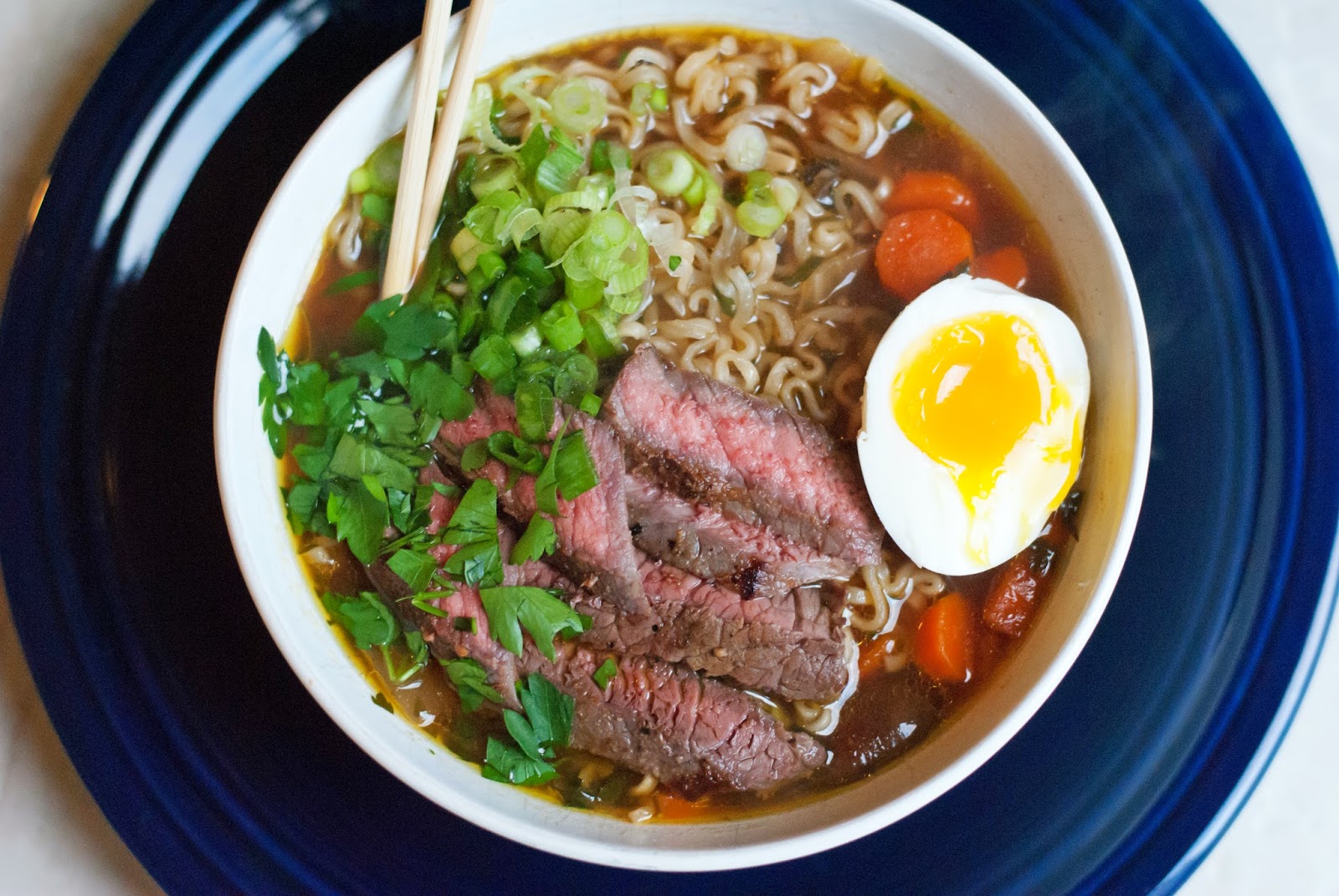
Upgrade Your Ramen: Achieving Restaurant-Quality Beef Noodles at Home
Are you tired of bland, uninspired instant ramen, but still crave that deep, savory comfort of a truly excellent bowl of noodles? Imagine effortlessly crafting a steaming bowl of restaurant-quality beef ramen noodles right in your own kitchen – a meal so rich, so flavorful, and so satisfying, you’ll wonder why you ever settled for less. The good news is, transforming humble ramen into a gourmet experience is far easier and quicker than you might think. With just a few fresh ingredients and clever techniques, you can elevate your weeknight dinner into a culinary triumph that's ready in under 30 minutes, proving that incredible flavor doesn't have to mean endless hours in the kitchen. This comprehensive guide will unlock the secrets to creating an unforgettable beef ramen dish, moving beyond the packet to embrace fresh ingredients, nuanced broths, and customizable toppings. Whether you prefer the robust simplicity of ground beef or the elegant tenderness of thinly sliced steak, we’re here to show you how to build layers of flavor that will make your homemade beef ramen noodles a new staple in your rotation.The Foundation of Flavor: What Makes Great Beef Ramen Noodles?
The magic of truly great beef ramen noodles lies in a few key elements that, when combined, create a symphony of taste and texture. It's about moving beyond just boiling noodles and adding a seasoning packet; it's about intentional flavor building.Quality Ingredients Make a Difference
- The Beef: While instant ramen often features sparse, dehydrated meat, homemade versions allow for real, satisfying protein.
- Ground Beef: A fantastic choice for speed and flavor absorption. When browned properly, it adds a rich, savory depth to the broth. Lean ground beef (85-90%) works well to provide flavor without excessive grease.
- Thinly Sliced Steak: For a more elegant, restaurant-style presentation, opt for cuts like flank steak or sirloin. Slicing these against the grain ensures maximum tenderness and quick cooking, absorbing the broth's essence beautifully.
- Fresh Vegetables: Forget wilted, sad veggies. Crisp, colorful additions like bell peppers, carrots, mushrooms, onions, and cabbage not only provide essential nutrients but also contribute texture and natural sweetness. Don't be shy about experimenting with broccoli, snow peas, edamame, or baby corn for variety.
- The Noodles: While instant ramen packets are convenient, consider upgrading your actual noodles. Look for good quality instant ramen noodles without the seasoning packet, or even fresh ramen noodles from an Asian market. Fresh noodles offer a superior chew and absorb the broth wonderfully.
- Aromatics & Broth Base: This is where the depth truly begins. Fresh garlic, ginger, soy sauce, and a touch of hoisin sauce are crucial for that umami punch. A combination of chicken and beef broth, rather than just one, creates a much richer, more complex flavor profile that elevates your beef ramen your way.
Techniques for Layered Flavor
Unlike simply simmering ingredients, building layers of flavor involves strategic cooking steps:
- Browning the Beef: Whether ground or sliced, searing the beef until beautifully caramelized creates a depth of flavor known as the Maillard reaction. This foundation is crucial.
- Deglazing the Pan: After cooking the beef, the browned bits left in the pan are flavor gold. Deglazing with a splash of white wine (such as Pinot Chardonnay, Pinot Grigio, or Sauvignon Blanc) or even chicken broth helps release these flavorful bits, integrating them into your sauce and broth.
- Sautéing Aromatics and Vegetables: Cooking garlic, ginger, and vegetables in the beef drippings before adding liquids ensures their flavors are fully developed and infused into the dish. Different vegetables have different cooking times; starting with harder vegetables like carrots and onions, then adding softer ones like bell peppers and cabbage, helps maintain optimal texture.
Crafting Your Perfect Bowl: A Step-by-Step Approach
Creating your own restaurant-quality beef ramen noodles at home is a streamlined process that prioritizes efficiency without sacrificing flavor. Here’s a general roadmap to guide you:Step 1: Prepare and Cook Your Beef
If using ground beef, season it generously with salt and pepper. Brown it in a large skillet or pot over medium-high heat, breaking it up as it cooks. Once fully cooked and nicely browned, remove it from the pan and set aside, leaving any rendered fat and delicious browned bits in the skillet.
If using thinly sliced steak, quickly sear it in the hot pan until just browned on the outside, ensuring it remains tender. Remove and set aside. Overcooking the steak at this stage will make it tough.
Step 2: Build the Flavor Base and Sauté Vegetables
Using the same pan (and those flavorful drippings!), add a little oil if necessary. Add minced garlic, chopped onions, and sliced carrots, sautéing for about 3-5 minutes until they begin to soften. Next, incorporate your other chosen vegetables like mushrooms, bell peppers, and cabbage, cooking for another 2-3 minutes until crisp-tender.
Pro Tip: After sautéing the vegetables, deglaze the pan with a splash of white wine or chicken broth. Scrape up all the flavorful browned bits from the bottom of the pan – this step adds incredible depth to your broth.
Step 3: Simmer the Umami-Packed Broth
Pour in your broth (a combination of beef and chicken broth is highly recommended for depth), along with soy sauce, hoisin sauce, and a touch of ginger. Bring the mixture to a boil, then reduce the heat to a simmer. Allow it to cook for a few minutes, letting the flavors meld and the sauce slightly thicken. Taste and adjust seasonings – perhaps a little more soy for saltiness, or a dash of chili oil for heat.
Step 4: Combine and Finish
Add your pre-cooked ramen noodles directly into the simmering broth. If using instant ramen, follow package directions for cooking time, usually just a few minutes. Add the cooked beef back into the pot and stir everything gently to combine and heat through. The goal is for the noodles to absorb the rich broth without becoming mushy.
Step 5: Garnish and Serve Immediately
Ladle your generous portions of beef ramen noodles into bowls. Now comes the fun part: garnishing! Freshly chopped green onions (scallions) are a must for brightness and a mild oniony kick. A sprinkle of toasted sesame seeds adds nutty flavor and crunch. For extra texture, consider crushed peanuts, cashews, or crispy chow mein noodles. A drizzle of chili oil or a pinch of red pepper flakes can provide a spicy kick, while a perfectly soft-boiled or even scrambled egg adds a creamy richness.
Elevate Your Beef Ramen Noodles: Pro Tips & Customization
The beauty of homemade beef ramen noodles is its incredible versatility. Once you have the basic technique down, you can truly make it your own.Beyond the Basics: Vegetable & Protein Power-Ups
- Expanded Veggie Options: Don't limit yourself to the classics. Broccoli florets, slender green beans, vibrant snow peas, or even tender edamame can be fantastic additions. Add them with your other vegetables, adjusting cooking times as needed to maintain their crunch.
- Egg-cellent Additions: A soft-boiled egg, cut in half, is a classic ramen topping, offering a creamy yolk that enriches the broth. For a simpler approach, scramble 1-2 eggs and stir them into the ramen at the very end, creating ribbons of tender egg throughout the dish.
- Spice It Up: If you enjoy heat, don't hesitate to add a pinch of red pepper flakes or a generous drizzle of chili oil to your bowl. Sriracha or a touch of Gochujang (Korean chili paste) can also add a fantastic spicy depth.
Broth Deep Dive & Wine Alternatives
The synergy of chicken and beef broth truly creates a more complex and satisfying base. If you prefer not to use wine for deglazing, chicken broth or even a splash of apple cider vinegar can achieve a similar effect by lifting those caramelized bits from the pan. For an even deeper umami, consider adding a dash of fish sauce or a tiny bit of miso paste to your broth.
The Art of Toppings: Texture and Freshness
Toppings aren't just for show; they add crucial layers of flavor and texture. Beyond green onions and sesame seeds, experiment with:
- Crunchy: Roasted peanuts, cashews, crispy fried shallots, or crunchy chow mein noodles.
- Fresh: A few sprigs of fresh cilantro or thinly sliced radish for a peppery bite.
- Umami Boost: A sheet of nori (seaweed) cut into strips, or a spoonful of fermented bamboo shoots.
Pairings and Prep Ahead
This hearty dish pairs wonderfully with a refreshing cup of green tea or a light side salad, like a crisp cucumber salad, to balance the richness. For ultimate convenience, you can prepare the beef and broth ahead of time and store them separately in the refrigerator. When you're ready to eat, simply heat the broth, cook the noodles fresh, and combine everything for the best texture and flavor. Cooked noodles tend to get mushy if stored in broth for too long, so cooking them just before serving is key.
Storage and Leftovers
Leftovers of your homemade beef ramen noodles, sans the noodles if possible, store well. Transfer them to an airtight container and refrigerate for up to 3 days. This dish also freezes surprisingly well for up to 3 months. Just be mindful not to overcook the noodles if you plan on freezing, as they can become mushy upon reheating. Thaw overnight in the refrigerator and reheat gently on the stovetop, perhaps adding a splash of extra broth if needed.
